To practise for life
Terping, repetitions, adjustments, briefing and debriefing. This is how the air ambulance and rescue service prepares for yet another avalanche season.
Elin Åsbakk Lind
Published 4/30/2026
Terping, repetitions, adjustments, briefing and debriefing. This is how the air ambulance and rescue service prepares for yet another avalanche season.
We are facing a new avalanche season and the warnings have started to come in from all over the country. We have travelled to Tromsø to participate in training and preparation for avalanche incidents.
This is the dream for many: People flock to the mountains in the Tromsø area, and ski tourists have often saved and waited for years for this very summit tour. But the avalanche risk in the mighty mountains can turn a dream into a disaster in seconds.
The AMK central plays a crucial role when someone calls in to report an avalanche.
Section leader for AMK, Kristina Jensen, states that AMK uses a national questioning card for avalanches as a tool when speaking with the caller.
This is to ensure that the right resources are mobilised while she often has to guide the caller in performing life-saving first aid.
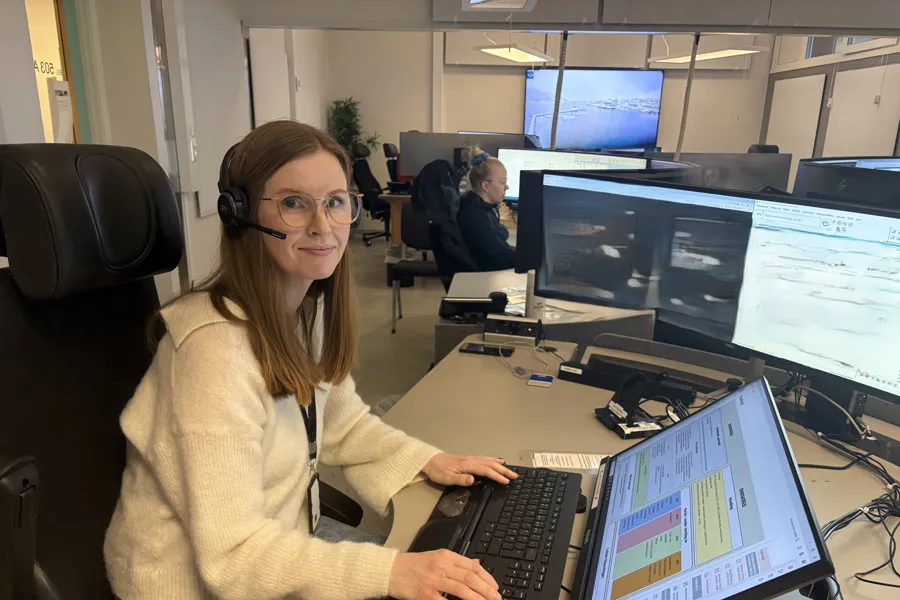
Photo: Elin Åsbakk Lind
- It is hectic, but we have clear and precise procedures for what we should do in avalanche accidents, says Jensen.
The actual rescue operation is led by the Main Rescue Centre, but AMK mobilises health resources whether it is a helicopter, ambulance, or trauma team on site.
For now, every second counts.
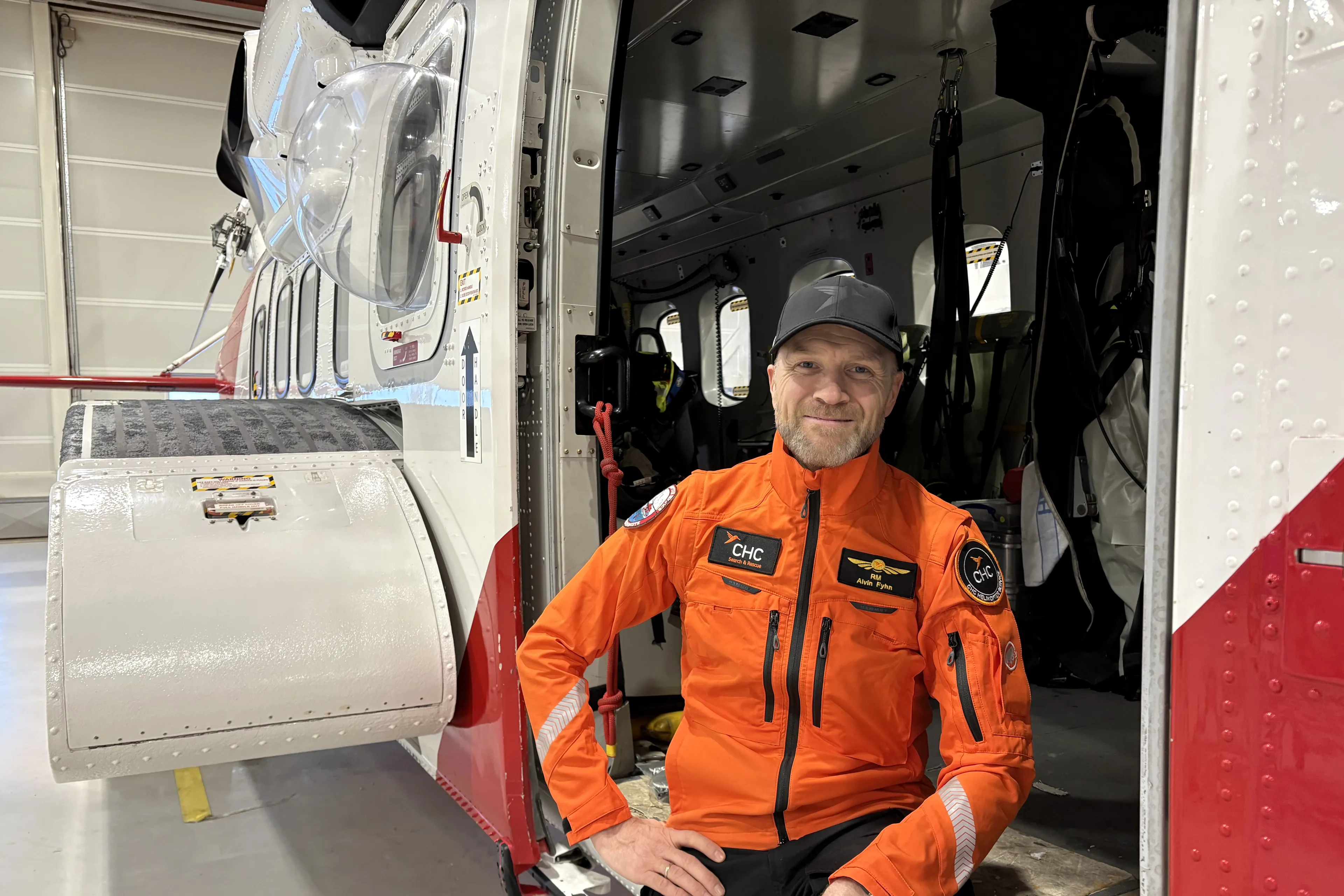
Most people who go on ski tours today are fortunately equipped with avalanche courses and the necessary equipment such as a transmitter/receiver, shovel, and probe.
However, not everyone is equally aware of how to practise how to actually carry out a buddy rescue if an accident occurs.
– Who calls for help? Who starts digging? In what order should things be done? And where in the rucksack should equipment be placed to allow you to work as quickly as possible? These are things that need to be practised – preferably several times throughout the season, and it’s a good idea to have a quick review before every single trip, says Alvin Fyhn.
Statistics from incidents in Norway up to 2019 show that:
• There is often an early and direct report from the scene of the accident
• Most avalanche victims are visible or searchable with electronic search tools
• Most avalanche victims are located and (partially) excavated by peer rescue when the rescue service arrives on site
• There is one injured person for every two avalanche victims
• Often serious injuries and/or hypothermic patients
• The areas of operation are more frequently in avalanche-prone, alpine terrain than before
• More frequent incidents with multiple individuals involved in the avalanche
Based on the statistics (Lunde et al. 2019), we can see that the vast majority of avalanche incidents where there is a possibility to save lives are medical emergencies where qualified medical assistance and rapid transport to hospital are of high priority.
There is currently no newer quality-controlled statistics than this. Based on experience seminars organised by the HRS and associated reports from the period 2021-2023, the findings from the research up to 2019 are supported.
The air ambulance service and the rescue service work closely together: The Main Rescue Centre (HRS) can utilise ambulance helicopters for search and rescue missions, and the health service can request rescue helicopters for medical incidents.
There are two resources within two different national services, which complement each other.
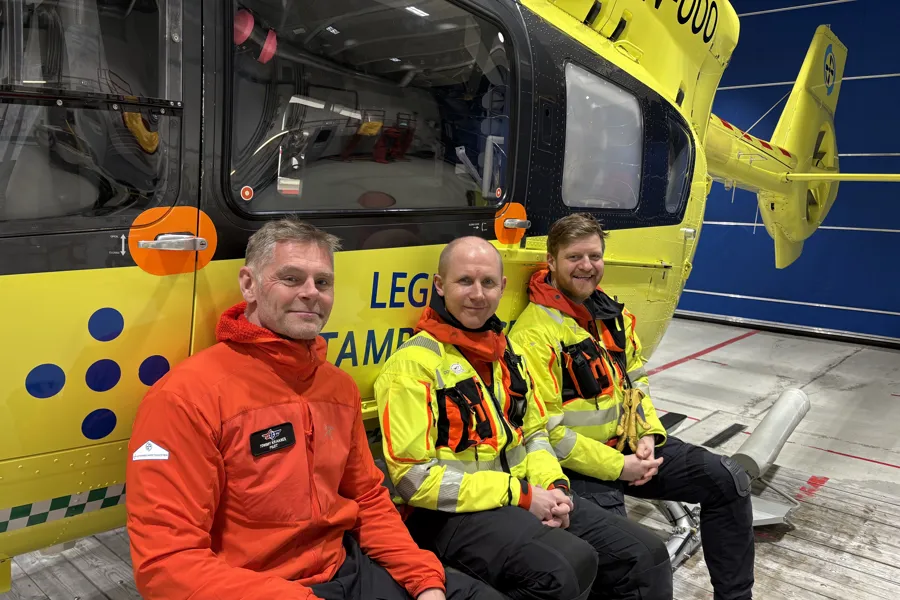
Photo: Elin Åsbakk Lind
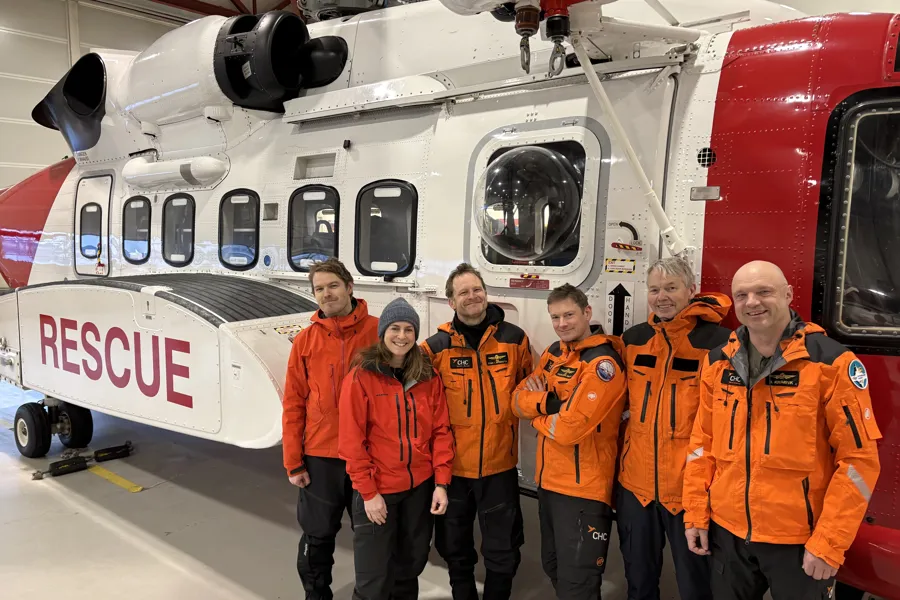
Photo: Elin Åsbakk Lind
And the new mobile tracking system MPDLS is a good example of how the rescue service is continually improving.
It is referred to as a "game changer" in the service, and that is actually an understatement. While previously reliant on visual conditions to conduct searches, they can now track the mobile phone of the person they are looking for and locate them with just a few metres' margin.
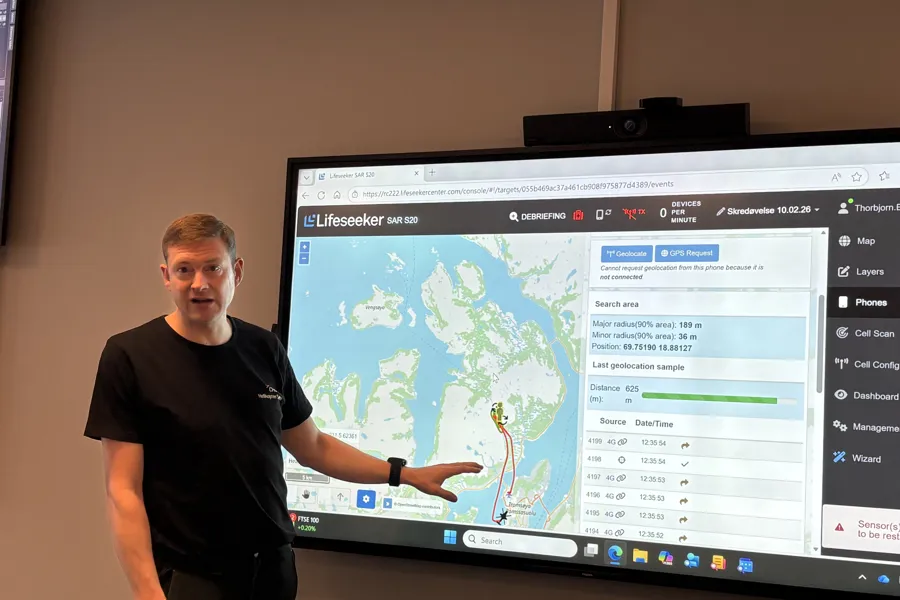
Photo: Elin Åsbakk Lind
-Search missions that used to take us hours can now be completed in just a few minutes. And when we understand the significance of minutes in an avalanche operation, it is clear how important this technology is, says system operator Thorbjørn Erland.
Close collaboration with the rescue service and telecommunications operators makes this possible.
-It is so simple that it almost feels like cheating, Erland jokes.
You do not need coverage or to be able to use your phone for the rescue service to find you.
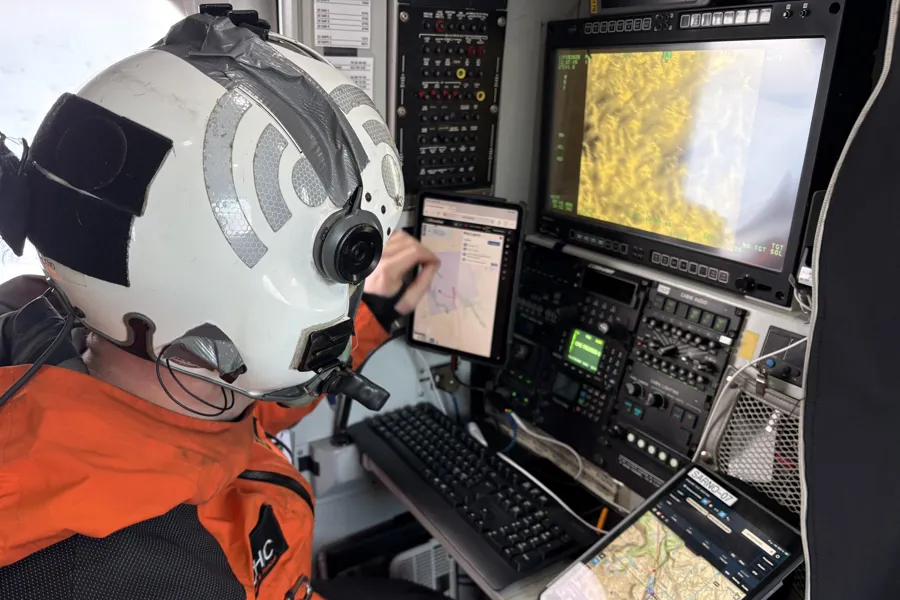
Photo: Elin Åsbakk Lind
The only requirement is that the mobile is switched on – and not in an ongoing call.
If you are going out on a trip, ensure that your phone is charged, and bring a means to recharge it along the way.
And if you are in distress and the rescue service is searching for you, avoid using your phone for calls with anyone other than the emergency services.
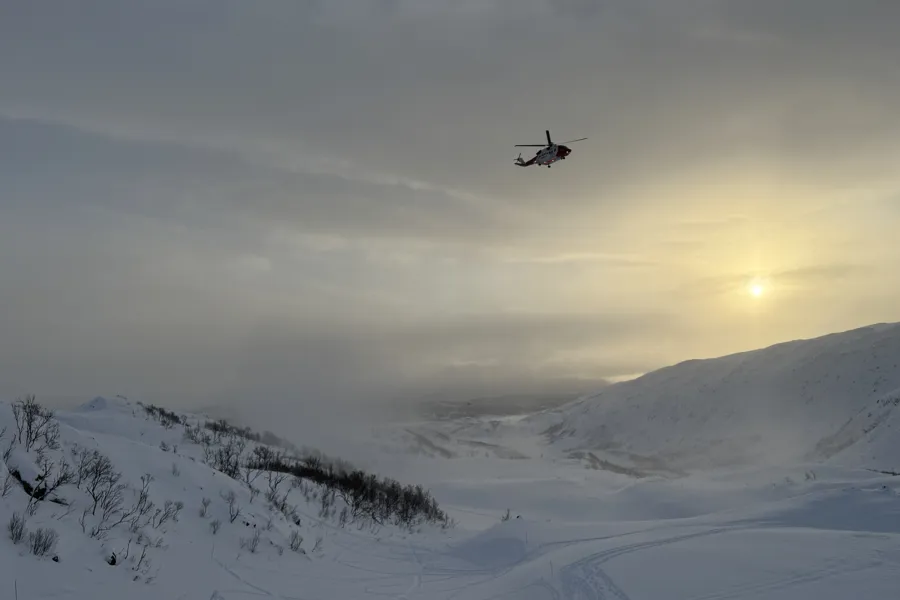
Photo: Bård Rannestad, UNN
The national guide for the rescue service in avalanche incidents has just been revised and approved by the National Rescue Professional Council.
The work has been led by Håvard Svenning, rescue leader at HRS North Norway, alongside a broadly composed working group.
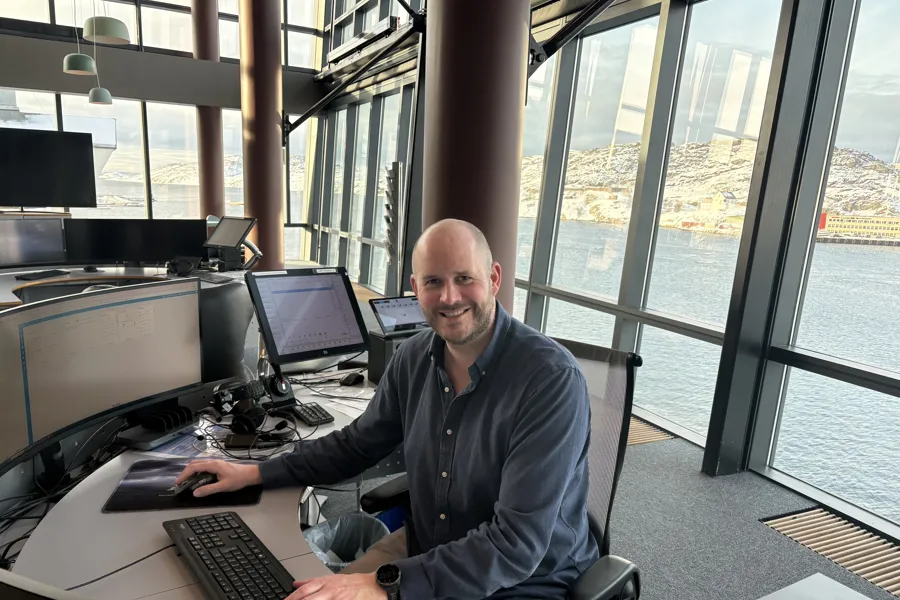
Photo: Elin Åsbakk Lind
- For us at HRS, the biggest difference is in message reception, with greater clarity on the importance of buddy rescue, as well as ensuring that the most suitable and quickest resources are dispatched to the scene without delay, says Håvard Svenning.
The guide is based on updated research, experiences from actual operations, and input from both Norwegian and international professional environments.
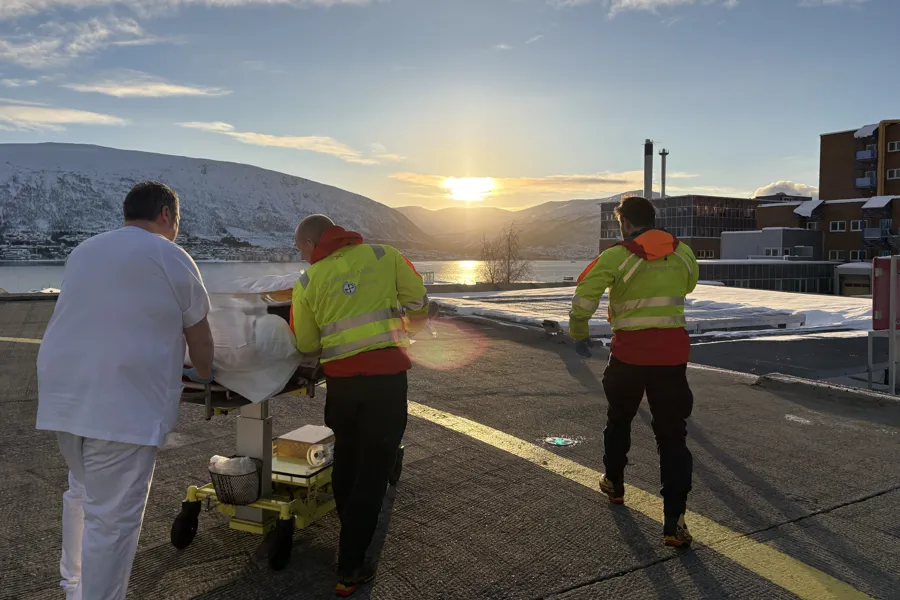
Photo: Elin Åsbakk Lind
The Main Rescue Centre (HRS) and the Air Ambulance Service HF recently entered into a new agreement aimed at providing a more national, comprehensive, and coordinated use of the state's air resources.
The agreement came into effect on 1 February 2026 and is intended to ensure a more strategic collaboration between two of the country's most important emergency response actors.
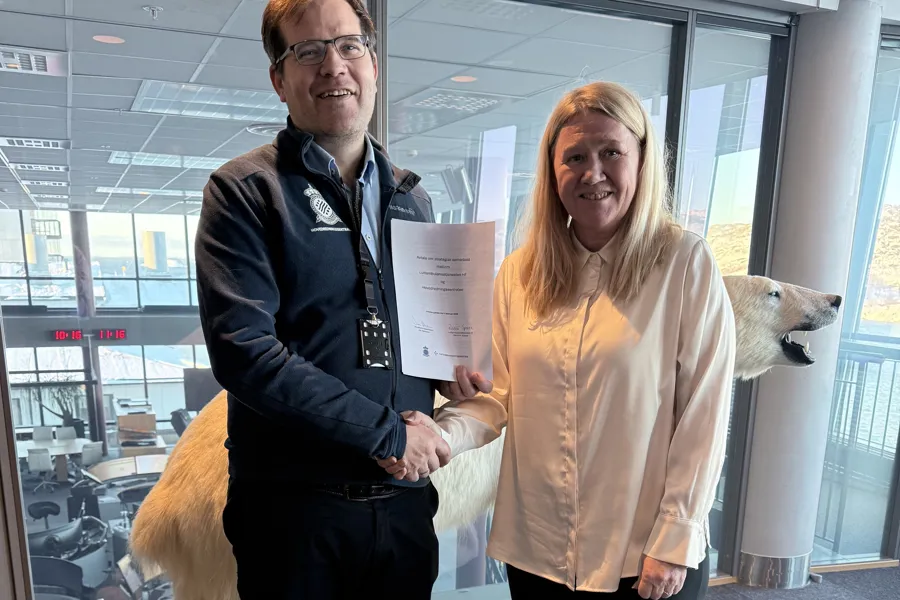
Photo: Per Magne Tveitane
-The agreement facilitates a national and coordinated use of resources – for the benefit of the patient, says the Managing Director of the Air Ambulance Service HF, Randi Spørck.
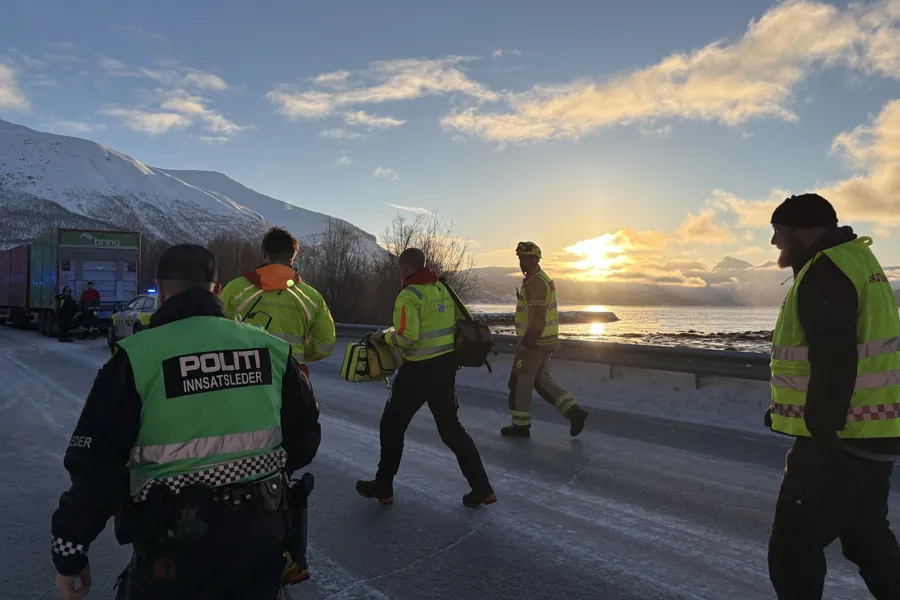
Photo: Elin Åsbakk Lind
The air ambulance service had a total of 18,189 missions in 2025.
The ambulance helicopter accounted for 6,576 missions, and the vast majority of these missions (nearly 84 per cent) were emergency-related.
The air ambulance had 8,198 missions last year.
Unfortunately, there are still some who misunderstand and believe that one must pay beyond the tax bill to be rescued in the mountains by either an ambulance helicopter or a rescue helicopter. However, both of these services are fully funded by the public sector.
At the Air Ambulance Service, you do not need to be a member; it is publicly funded through the regional health authorities.