To practise for life
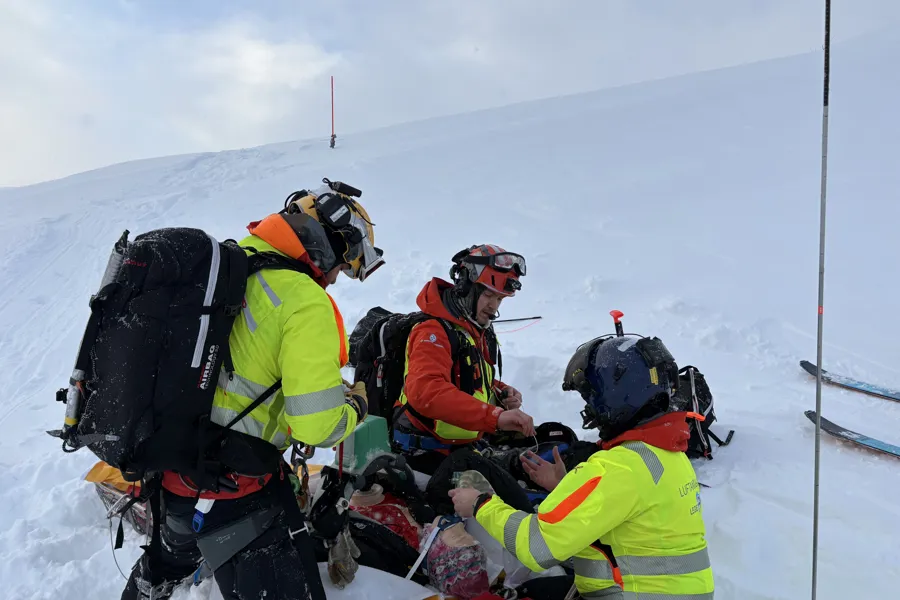
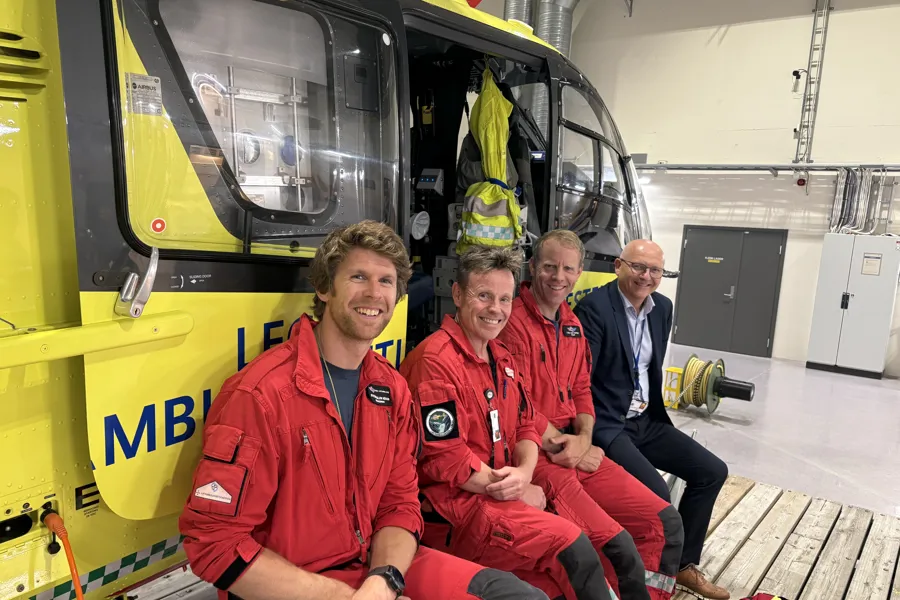
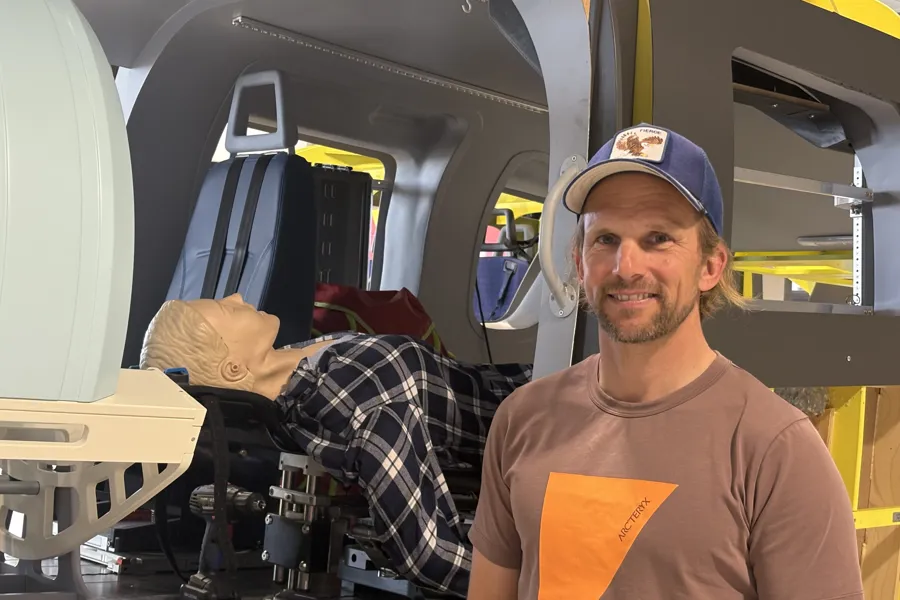
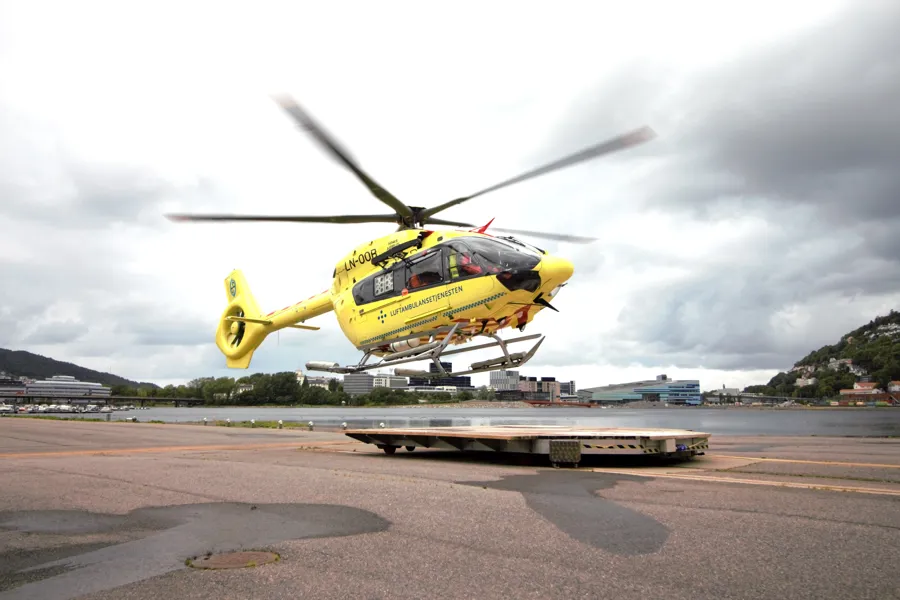
Drilling, repetitions, adjustments, briefing and debriefing. This is how the air ambulance and rescue service prepares for yet another avalanche season.

The Air Ambulance Service HF is responsible for the operational aspect.
In short, we ensure that the service has aircraft and helicopters that can transport hospital doctors and nurses to patients.
Aircraft and helicopters are procured through public tender with competition.
The hospitals and the regional health enterprises are responsible for the medical aspect of the service and for patient care.
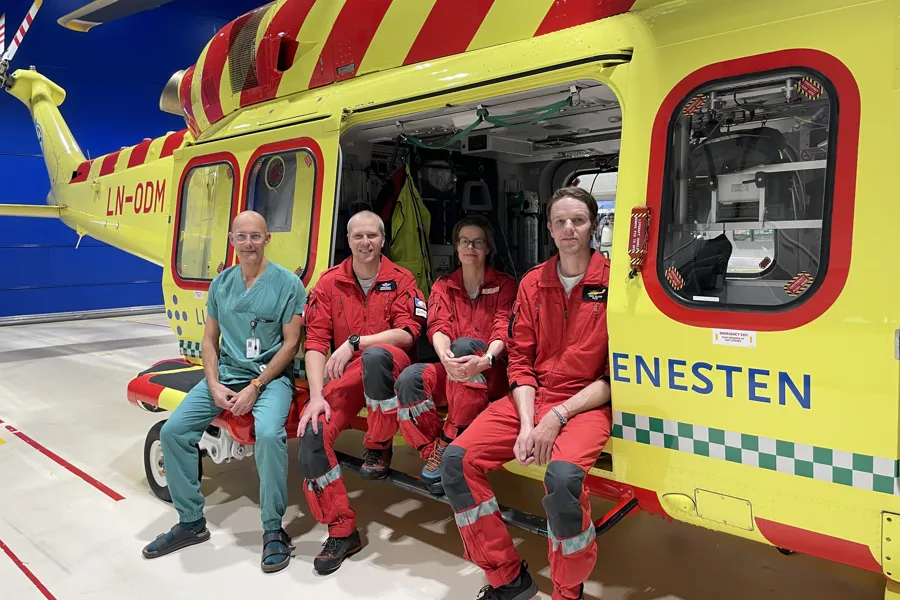
They staff the service's aircraft and helicopters with specialised doctors and nurses.
All requests and dispatches for air ambulances go through the hospitals' AMK centres.
Thus, 113 is also the way in to us.
If you require transport, a medical assessment is made to determine what type of transport is needed: air, car, or boat ambulance.
At the helicopter bases, air ambulance doctors on duty decide whether the patients' conditions require the use of an air ambulance.
In consultation with the pilot and rescue personnel, they determine if, when, and how the missions should be carried out.
Requirements for landing sites
The air ambulances are managed by three AMK centres, in Tromsø, Lørenskog, and Ålesund, known as Medical Coordination Air Ambulance (MKA).
Doctors and nurses on duty prioritise which missions should be flown based on the patients' medical needs.
Emergency missions always take first priority.
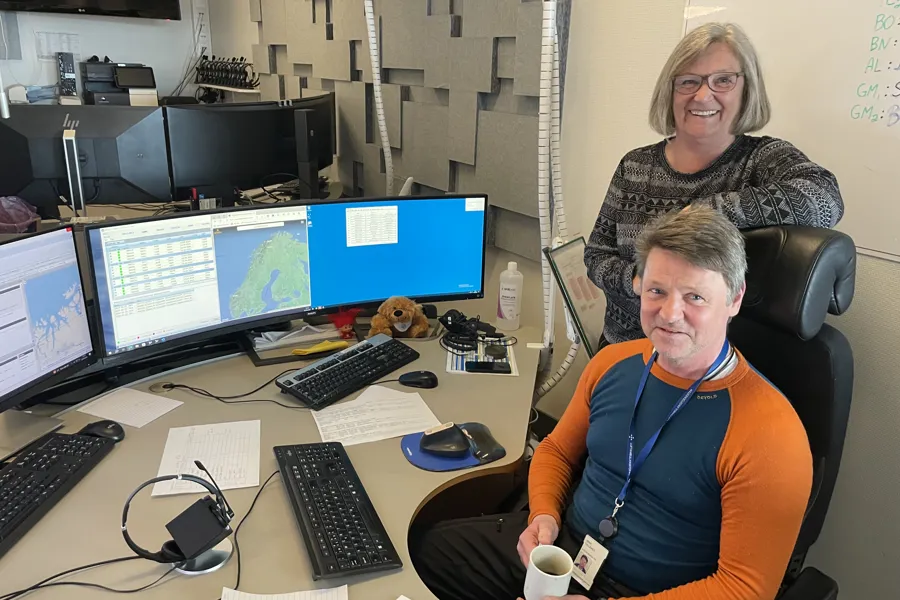
All flight missions are planned in consultation with the aircraft pilots, the nurse on board, and the service's flight coordination centre (FKS) in Tromsø.
Read more about the flight coordination centre here
Our operators
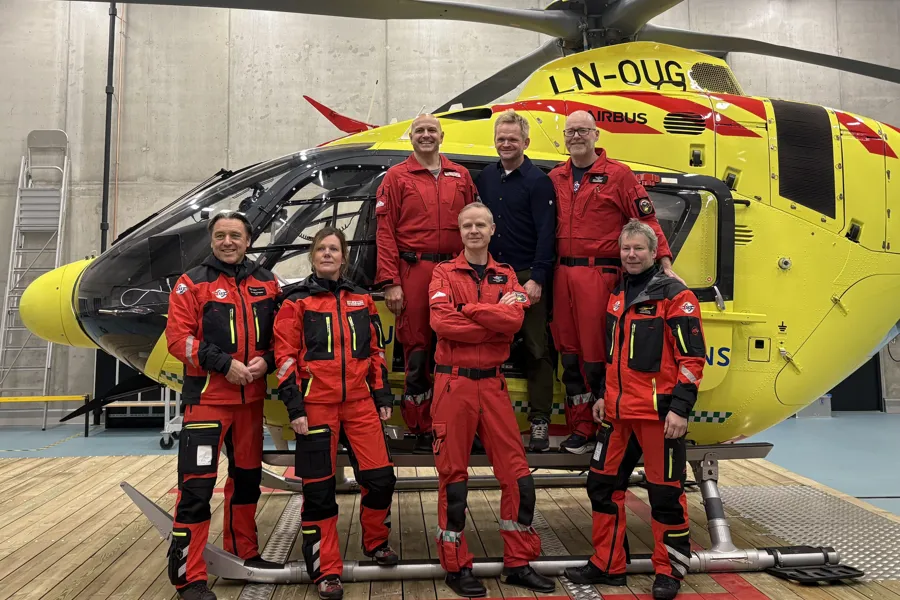
We have an agreement with Norwegian Air Ambulance AS to operate our 14 helicopters distributed across 13 bases.
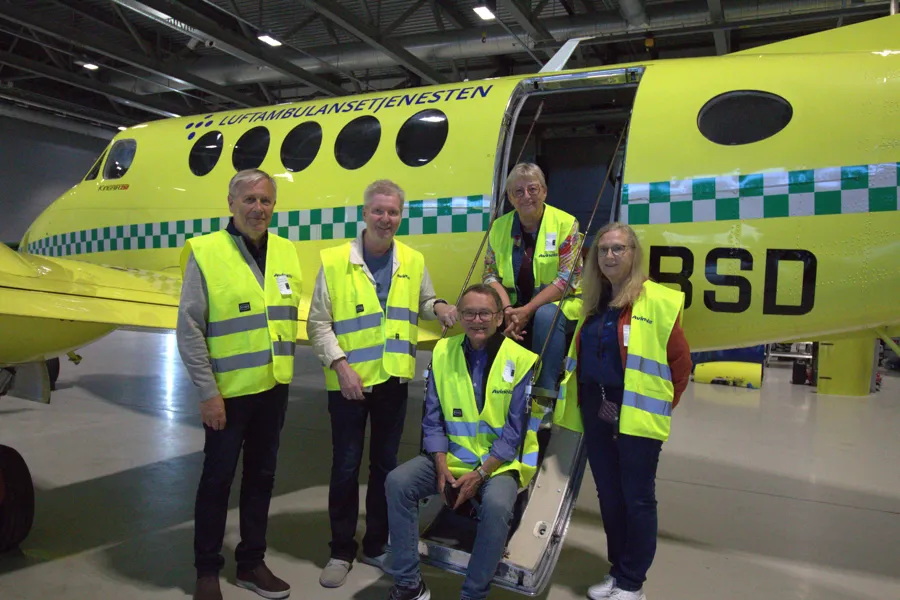
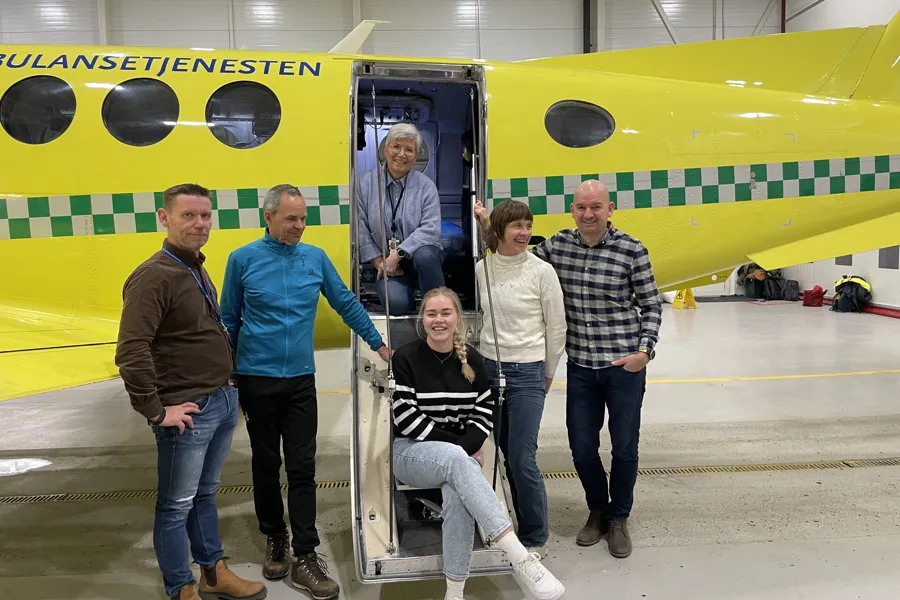
We have an agreement with Avincis Aviation Norway AS to operate our ten planes stationed at 7 bases.
Internships in our service
Community benefit
Early and advanced medical assistance reduces the healthcare costs for society. We see a return on the approximately 1.3 billion invested in the service:
"The crucial difference in costs (or societal savings) was whether the patient ended up disabled or returned to work."